Edgware House Removals on Narrow Streets: How to Avoid Delays
Moving house in Edgware can be straightforward on paper, then suddenly awkward the moment the van turns into a tight residential road. Parked cars, blind bends, low-hanging branches, neighbours coming and going, a delivery lorry in the way - and there goes your schedule. If you are planning Edgware house removals on narrow streets avoid delays is not just a search phrase; it is the real-world problem most people want solved before move day.
This guide breaks down what makes narrow-street removals tricky, how good planning changes everything, and the small decisions that stop a move from turning into a slow shuffle. You will get a practical step-by-step approach, common mistakes to avoid, and a realistic checklist you can actually use. No fluff. Just the stuff that keeps a move moving.
Why Edgware house removals on narrow streets avoid delays Matters
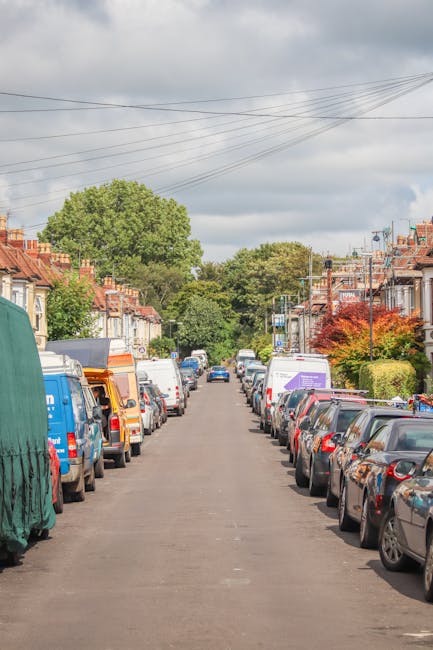
Narrow roads affect more than parking. They shape the whole moving day: where the van can stop, how far items must be carried, whether two vehicles can pass safely, and how quickly bulky furniture can be loaded. In Edgware, a move can be delayed by things that sound minor until you are standing outside with a sofa and nowhere legal or sensible to park. Truth be told, that is when a tidy plan starts to matter a lot.
The biggest delay usually comes from avoidable friction. A driver circles for ten minutes looking for access. Someone realises the lift is too small. A neighbour's car blocks the only practical loading point. Then every small issue stacks up. One delay becomes three. That is why narrow-street planning should be treated as part of the move itself, not an extra detail.
If you are comparing service options, it helps to look at the broader move, not just the vehicle. A well-organised house removals service, for example, is usually more useful than a last-minute van hire when access is tight. The same goes for planning, packing, and timing. A move on a narrow street rewards preparation. It really does.
And yes, the street layout matters even if you live only a short distance from the main road. Sometimes the final fifty metres are the hardest part.
How Edgware house removals on narrow streets avoid delays Works
Preventing delays on a narrow road is mostly about reducing unknowns. The process starts before the van arrives, ideally before move day, with a simple question: what can physically happen outside the property? Once you know that, you can plan around it.
A good narrow-street removal plan usually follows this pattern:
- Assess access early. Check road width, parking options, turning space, and any obvious pinch points.
- Match the vehicle to the street. A smaller vehicle may be slower in terms of capacity, but faster overall if it can park closer and avoid repeated shuttling.
- Reduce the number of trips between door and van. Good packing, labelled boxes, and grouped items cut down on back-and-forth time.
- Stage items by priority. Load the heaviest and most awkward pieces first, but only once the route is clear.
- Keep a flexible arrival window. Streets in residential parts of Edgware can be busier than people expect, especially later in the morning.
This is where practical moving support can help. Services such as man with van or man and van are often a sensible fit for homes on tighter roads because the setup is nimble and easier to position. Not every move needs a large truck, and on a narrow street, bigger is not automatically better.
To be fair, the right approach depends on the house itself. A top-floor flat, a terraced home with no driveway, or a property with shared access all need slightly different handling. There is no one-size-fits-all answer, which is exactly why the planning stage matters.
Key Benefits and Practical Advantages
When a move is planned properly for a narrow Edgware street, the gains are obvious very quickly. Less waiting. Less double-handling. Less stress. And usually less chance of awkward conversations with neighbours while a van blocks the road for too long.
Here are the main benefits:
- Faster loading and unloading because the vehicle is positioned closer to the property.
- Lower risk of damage to furniture, doors, bannisters, and walls.
- Better parking decisions so the driver is not forced into repeated repositioning.
- Less disruption to neighbours, which matters on a street where people know one another.
- More predictable timing, which helps if you are collecting keys, meeting cleaners, or handover times are tight.
There is also a quieter benefit: confidence. Once you know the access plan is realistic, the whole day feels calmer. That calm is not just nice to have. It helps people make better decisions when they are tired, and moving day always arrives with a bit of fatigue.
If you need a broader move managed end to end, a full removal services package can take pressure off the parts most likely to create delay. In some cases, that is simply the more efficient choice.
Who This Is For and When It Makes Sense
This approach is useful for anyone moving from a property with tight access, but some situations are especially prone to delays.
- Terraced houses on narrow residential roads
- Properties with on-street parking only
- Homes near junctions, corners, or school routes
- Moves involving bulky furniture or appliances
- Families with lots of packed boxes and a strict completion schedule
- Older properties with awkward steps, narrow hallways, or small front gardens
It also makes sense if you are trying to keep costs under control. Delays can add indirect cost even when the quote itself stays the same. An extra hour of waiting. More labour. Additional vehicle time. Maybe a second trip. Those things creep in quietly, then suddenly you are wondering where the afternoon went.
For office moves, the same logic applies. If the building sits on a tight street or shared access road, the planning needs to be just as careful. You may want to look at office removals if the move involves equipment, desks, filing, and a need to keep disruption down.
And if you are still deciding what type of move support you need, removals near me can be a practical starting point for comparing local options without overcomplicating things. Sometimes the simplest search is the one people actually finish.
Step-by-Step Guidance
If you want to avoid delays on a narrow Edgware street, work through the move in stages. A rushed setup is where most problems start.
1. Check access before you book
Look at the road in person if you can. Note where cars usually park, whether there is a turning space, whether a vehicle can stand close to the house, and whether any trees, bays, bollards, or speed humps may get in the way. A quick walk outside can tell you more than five minutes of guessing from a screen.
2. Measure the awkward items
Not every delay comes from the street. A sofa that barely fits through a hallway can stall the whole load. Measure large furniture, bed frames, wardrobes, and appliances so you know what needs disassembly in advance. It saves time on the day, and frankly saves a bit of swearing too.
3. Choose the most suitable vehicle size
On a narrow street, a smaller or medium-sized van may be easier to park and safer to manoeuvre. In some cases, a larger moving vehicle is still the right choice, but only if access is genuinely workable. The best option is the one that balances capacity with positioning, not just the biggest vehicle available.
4. Prepare loading zones inside the home
Boxes grouped by room, furniture cleared of loose items, and fragile pieces wrapped properly all reduce delay. If the crew can move in a straight line from hallway to van, the pace changes completely.
5. Protect the route
Use floor protection if needed and keep pathways clear. On tight stairwells, even a small pile of shoes or a basket of laundry can create an annoying bottleneck. The funny thing is, those tiny obstacles are often the ones people forget until the first carry begins.
6. Time the move intelligently
Morning collection can work well, but think about local traffic patterns and school runs. In a built-up area, a quiet-looking street at 8am may be much calmer than at 10:30am. A sensible arrival window is worth more than a vague promise of "sometime around then."
7. Keep a clear contact point
On the day, one person should be responsible for decisions. If the van cannot park exactly where hoped, someone needs to say quickly whether to wait, shift, or unload from a different angle. Slow decisions create slow moves. Simple as that.
If you need help with the packing side as well, packing and unpacking services can reduce the number of loose decisions on the day and make narrow-access moves much smoother.
Expert Tips for Better Results
In our experience, the best narrow-street moves are not the most dramatic ones. They are the boringly well-organised ones. That is a compliment, by the way.
- Leave more time than you think you need. A short delay in parking can affect the rest of the day, so build in slack.
- Keep the first load simple. Start with the items that are hardest to manoeuvre, not the easiest to grab.
- Use consistent labels. Room names help, but "kitchen fragile" or "bedroom first-night" is even better.
- Separate essentials. Put documents, chargers, tea, kettle, and basic toiletries somewhere that will not disappear under a pile of boxes.
- Tell neighbours in advance if necessary. A quick heads-up can prevent complaints and unexpected access issues.
One useful habit is to treat the street like part of the property. People often prepare the rooms inside but not the route outside. Yet outside is where the delays usually happen. Funny how that works.
If your move is slightly unusual - heavy furniture, multiple stops, or a tight handover - it can also help to compare man with a van against a larger moving van option. The right vehicle is the one that reduces friction, not the one that sounds impressive.
Common Mistakes to Avoid
Most delays on narrow streets are predictable. That is the annoying part. The same errors come up again and again, and they are usually easy to avoid once you know what to watch for.
- Assuming parking will just work out. It often does not.
- Booking a vehicle that is too large for the street. A bigger van can mean slower loading if it cannot sit close enough.
- Leaving disassembly until move day. Wardrobes and bed frames take longer than people expect.
- Not clearing the hallway and front entrance. A cluttered path turns every carry into a small obstacle course.
- Ignoring timing around local traffic. Edgware roads can be deceptively busy at ordinary-looking times.
- Failing to communicate access constraints. A mover cannot plan for what they do not know.
Another common slip: people focus only on the quote, not the practical setup. A cheaper move that spends thirty minutes hunting for parking is not always cheaper in real terms. That is just life, really.
When in doubt, ask how access will be handled, whether the crew has experience on narrow roads, and what happens if they cannot stop directly outside. Those questions are not fussy. They are sensible.
Tools, Resources and Recommendations
You do not need specialist equipment to plan a narrow-street move well, but a few simple tools make a big difference.
| Tool or resource | What it helps with | Why it matters on narrow streets |
|---|---|---|
| Tape measure | Furniture and doorway dimensions | Prevents last-minute surprises with large items |
| Room labels or markers | Box organisation | Speeds up unloading when access time is limited |
| Moving blankets and protective wrap | Furniture protection | Reduces scuffs when carrying through tight spaces |
| Floor protection | Hallways and entrances | Keeps the route clear and avoids damage claims |
| Inventory list | Move planning | Makes loading order easier to manage |
For service-level planning, it is worth reviewing a mover's policies and expectations before you book. Pages such as health and safety policy and insurance and safety are useful because they show how seriously the provider treats practical risk, not just the move itself.
If you are comparing cost and scope, the pricing and quotes information is also worth a look. A clear quote conversation can surface access issues early, before they become day-of problems. And if sustainability matters to you, a company's recycling and sustainability approach can be part of the decision too, especially when you are clearing out unwanted items.
Law, Compliance, Standards, or Best Practice
For house removals on narrow streets, there is not one single rulebook that covers every access problem. Instead, movers and customers usually work within a mix of road safety expectations, parking rules, local restrictions, duty of care, and sensible handling practices. The exact requirements can vary depending on the street and local authority, so it is best to avoid assumptions.
The safest practical approach is to ensure vehicles are parked legally, do not block emergency access, and do not create hazards for pedestrians or neighbours. If loading near a busy road or restricted area is likely, plan the move with extra caution. That may sound obvious, but on a stressful day the obvious stuff is often the stuff that gets forgotten.
Professional movers should also follow reasonable handling standards: protect floors, avoid overloading people or vehicles, secure items properly, and communicate clearly if access changes. Good practice matters here because narrow streets give you less room to correct mistakes.
If you want to understand the company side a little better, policies like terms and conditions and about us help set expectations around service, responsibilities, and how the move is run. That sort of clarity is underrated.
Options, Methods, or Comparison Table
There are a few ways to handle a move on a narrow Edgware street. Some are perfectly fine for smaller moves; others are better when the property is awkward or the schedule is tight.
| Approach | Best for | Pros | Possible downside |
|---|---|---|---|
| Small van with close parking | One- to two-room moves, lighter loads | Easier manoeuvring, less street obstruction | May require more care with packing efficiency |
| Medium van with staged loading | Typical family house removals | Good balance of capacity and access | Needs careful route planning |
| Large moving vehicle | Bulkier moves where space allows | Fewer trips if access is workable | Can struggle on very tight streets |
| Full removal service | Complex, time-sensitive, or larger homes | More support, better coordination, less stress | Often more structured and needs advance booking |
As a rule, the more awkward the street and the more furniture you have, the more helpful a coordinated service becomes. For bigger household moves, home moves or a dedicated house movers option may make more sense than a bare-bones hire. Sometimes you need hands, not just wheels.
Case Study or Real-World Example
Picture a typical Edgware terrace: front door opening straight onto a narrow pavement, parked cars on both sides, and just enough room for one vehicle to pause without causing a row. The family moving out has a sofa, a bed, a dining table, and more boxes than they expected because, well, things multiply in cupboards.
Here is what usually works in a case like that:
- The mover checks access the day before and identifies the best loading position.
- Heavy furniture is dismantled where practical, so it can be carried in smaller pieces.
- Boxes are grouped by room near the exit rather than scattered across the house.
- The vehicle arrives at a time when the street is quieter, not during the school-run crush.
- One person manages decisions so the crew does not lose time waiting for answers.
The result is rarely dramatic. That is the point. The van gets in, the load goes out, and there is less standing around wondering where the next gap in traffic will come from. In the best moves, the street almost disappears into the background.
If unwanted items need clearing as part of the process, it can also help to arrange a separate collection such as furniture pick up rather than leaving everything to the moving team on the day. Cleaner separation, fewer surprises.
Practical Checklist
Use this before moving day. It keeps the whole thing grounded.
- Measure the street access and note where a vehicle can stop
- Check for parking restrictions, loading limits, or recurring congestion
- Measure large furniture and flag anything that may need dismantling
- Label boxes clearly by room and priority
- Clear the hallway, front step, and driveway or pavement edge where possible
- Confirm the move window and who will make decisions on the day
- Separate essentials you need immediately after arrival
- Protect floors, corners, and vulnerable surfaces
- Tell neighbours if access is likely to be briefly restricted
- Recheck key collection timing so the schedule does not drift
Expert summary: The best way to avoid delays on a narrow Edgware street is to plan access first, vehicle second, and packing third. If those three pieces are in order, the move becomes much more manageable. If they are not, the day can wobble surprisingly fast.
Get a free quote today and see how much you can save.
Conclusion
Edgware house removals on narrow streets avoid delays when the move is treated as an access problem, not just a lifting job. That means checking parking, choosing the right vehicle, packing in a way that speeds up loading, and keeping the street realities in mind from the start. Once you do that, the whole move becomes calmer and more predictable.
And honestly, that calm matters. Moving day is already busy enough without the added drama of a van stuck at the wrong angle or a sofa waiting on the pavement while everyone checks their phones for a solution. A bit of planning saves a lot of head-scratching.
Whether you are moving a flat, a family home, or something in between, the aim is the same: get from A to B without unnecessary friction. Do that well, and the rest of the day feels lighter.
By evening, what you remember most should be the new key in your hand, not the tight turn on the old street.
Frequently Asked Questions
How do you avoid delays when moving house on a narrow Edgware street?
Start with access planning. Check where the van can stop, whether there is legal parking nearby, and if large furniture needs dismantling before move day. Good packing and a realistic arrival window also help a lot.
Is a smaller van always better for narrow streets?
Not always. A smaller van is easier to position, but if the move is large it may need more trips. The best option is usually the vehicle that can park safely and still carry the load efficiently.
What causes the most delays on narrow residential roads?
Parking problems, blocked access, poor timing, and furniture that has not been measured properly are the usual suspects. One small issue can slow everything down if it is not spotted early.
Should I warn neighbours before the move?
It is often a good idea, especially if the street is tight or the van may briefly block a section of road. A quick heads-up can prevent frustration and makes the day feel a bit more civilised.
Do I need packing help for a narrow-street removal?
You may not need it, but it can be useful if you have many rooms, fragile items, or limited time. Well-organised packing speeds up loading and reduces repeated trips between the house and van.
What if the van cannot park directly outside?
Then the crew may need to use the nearest practical loading point and carry items a little further. That is not ideal, but a good mover will adjust the plan to keep the move safe and efficient.
How far in advance should I plan a move on a narrow street?
The earlier the better, especially if you need to coordinate parking, key handover, or dismantling. Even a simple move benefits from a proper look at the access situation before booking.
Are house removals more expensive on narrow streets?
They can be if the access creates extra time, extra labour, or a second trip. But the real cost depends on how difficult the street is and how well the move is prepared. A clear quote is the best place to start.
What should I do with bulky furniture that may not fit easily?
Measure it first and decide whether it needs to be taken apart. If in doubt, ask the mover in advance. That one conversation can prevent a very awkward moment on the stairs.
Can I use house removals support for a small move in Edgware?
Yes. Even smaller moves benefit from proper access planning, especially on narrow streets. A lighter move can still run into delays if parking and timing are not thought through.
What is the smartest way to keep the moving day calm?
Keep decisions simple, prepare the route, label everything well, and choose a service that understands tight access. Calm usually comes from not having to improvise every five minutes.
Where should I go next if I want help arranging the move?
A good next step is to review service options, check pricing, and get in touch once you know your access constraints. That gives you a more accurate plan and fewer surprises later.